

Emergency Position Indicating Radio Beacon (EPIRB)
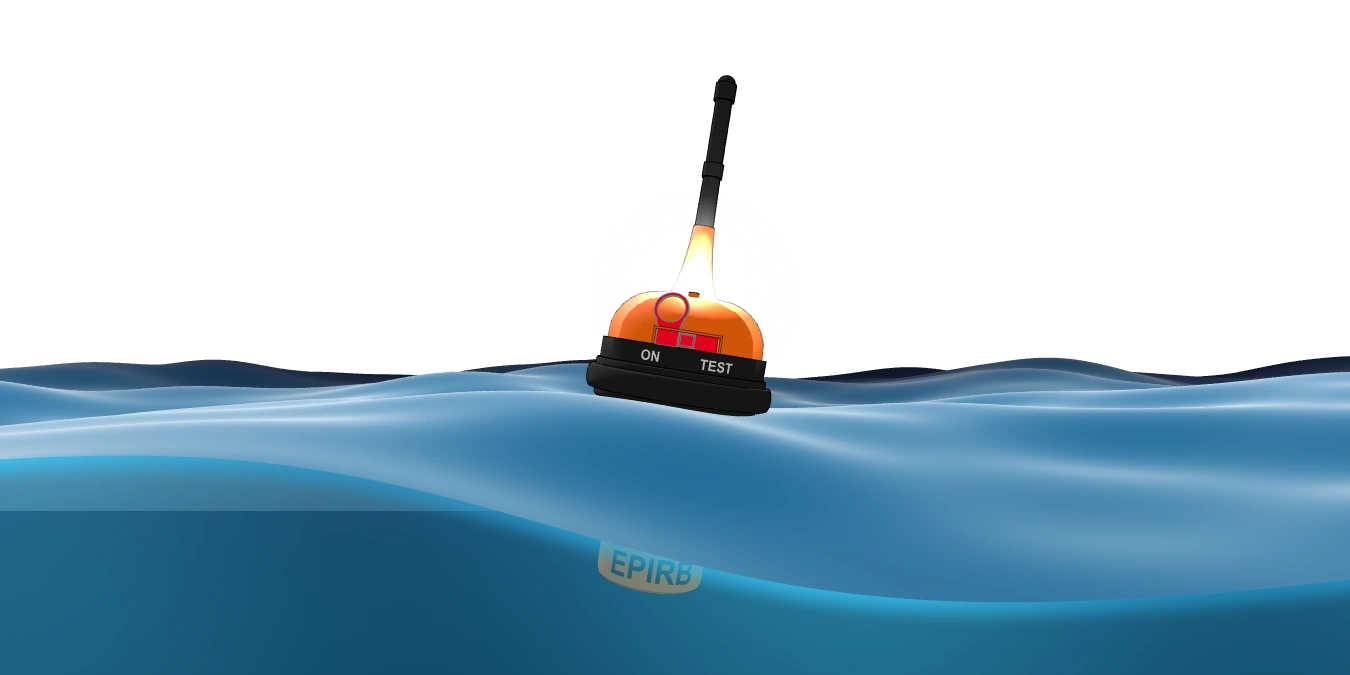
Fig. 1An activated EPIRB floats antenna-up on the surface, its strobe light flashing while transmitting a distress signal.
EPIRB or Emergency Position Indicating Radio Beacon is a battery-powered device that transmits distress alerts to search and rescue authorities via a satellite network. Its transmission carries information that identifies the beacon and allows its position to be determined. Most ship-mounted EPIRBs are designed to activate automatically when submerged, and they can also be activated manually. Despite its small size, EPIRB is one part of a larger life-saving network of satellites, ground stations, mission control centers, and rescue teams that has helped save many lives around the world.
The Role of the EPIRB in Distress Communications
The EPIRB is part of the vessel's distress alert system. When activated, it transmits a 406 MHz distress signal that the Cospas-Sarsat satellite network relays to the appropriate RCC or Rescue Coordination Center, giving rescuers the beacon's location and the vessel's identity.
How the Alert Reaches Rescuers
The 406 MHz frequency is reserved internationally for distress use only. Each alert carries the beacon's HEX ID, a unique digital code that identifies the type of beacon. If the beacon is registered, the HEX ID also links to a record with details about the vessel and its owner.
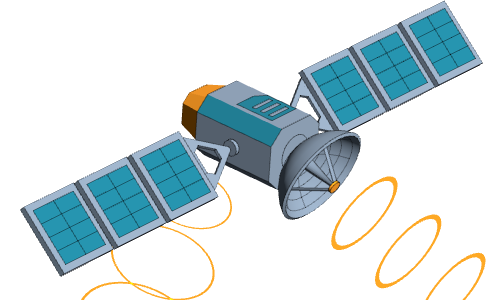
Satellites detect the signal
Satellites in low, medium, and geostationary orbit carry search and rescue receivers. They are operated by the United States, Russia, India, and EUMETSAT, and together they can pick up a beacon's signal anywhere in the world.
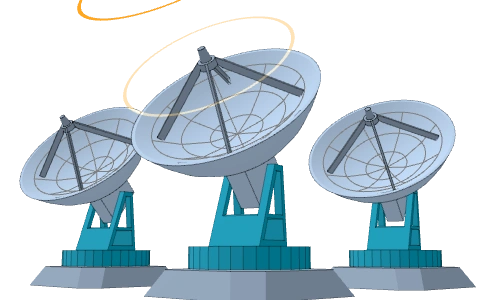
Ground stations compute the position
The satellites relay the signal to ground stations called LUTs or local user terminals, which process it, calculate the beacon's location, and send an alert message to a national Mission Control Center (MCC).

The MCC routes the alert
The MCC matches the alert with others received, sorts the data geographically, and passes the distress message to the most appropriate search and rescue authority, such as an RCC, a foreign search and rescue point of contact, or another MCC.
The RCC responds
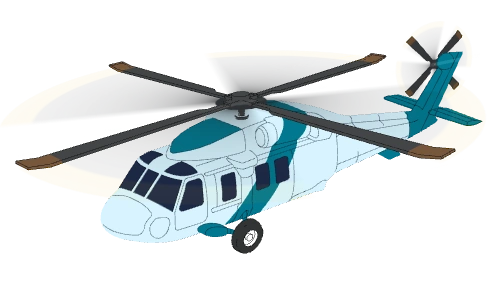
It investigates the alert and, if it is judged genuine, launches rescue assets. It can also ask ships and boats in the area to assist a vessel in grave and imminent danger.
What the RCC Learns from the Alert
From the beacon's record, the RCC can look up:
- the vessel type and description
- the owner
- emergency points of contact
The RCC can then communicate with the owner or one of the listed contacts to find out how many people are aboard and to gather any other information that could speed up the rescue.
Real-World EPIRB Activations
While the technology behind an EPIRB is complex, its purpose is simple: to alert rescuers and give them a position. The following cases highlight real incidents where EPIRB activation alerted rescue teams and helped guide them to survivors.
-
Sinking 50 Miles Offshore (Savannah, Georgia): After their fishing vessel sank 50 miles off the coast of Savannah, two men escaped into a life raft. Their EPIRB provided the position that an Air Station Savannah helicopter crew used to locate and hoist both mariners to safety.
"The mariners demonstrated remarkable skill in deploying their lifesaving equipment, enabling our crew to locate them within minutes upon arriving on scene," said Lt. Cmdr. Sarah Anderson, aircraft commander during the case. "The mariner's effective use of their EPIRB and signaling flare played a pivotal role in the success of this case."
Source: U.S. Coast Guard News / Press Release
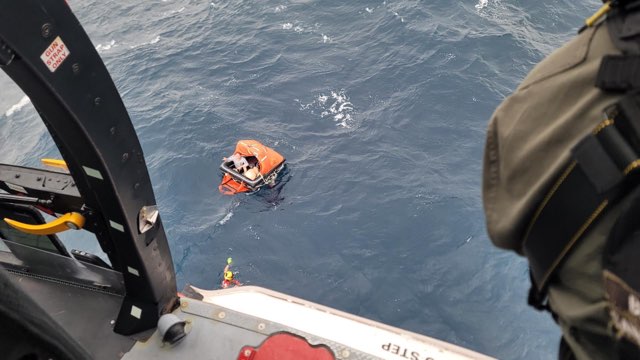
Fig. 2Coast Guard Air Station Savannah helicopter crew rescuing two mariners, Sept. 28, 2023. Source: U.S. Coast Guard photo, courtesy Air Station Savannah (VIRIN 230928-G-G0107-1004).
-
Lightning Strike Strands Seven Boaters (Gulf of Mexico): A direct lightning strike knocked out the engines and electrical systems of a vessel about 100 miles off Clearwater, Florida, leaving it dead in the water. The crew activated the EPIRB, and Coast Guard crew airlifted all seven people to safety.
Source: TODAY.com News Story
EPIRB Components
Each component of an EPIRB serves a vital specific function in transmitting a distress alert. Exact designs vary by manufacturer, so always check the unit's manual.
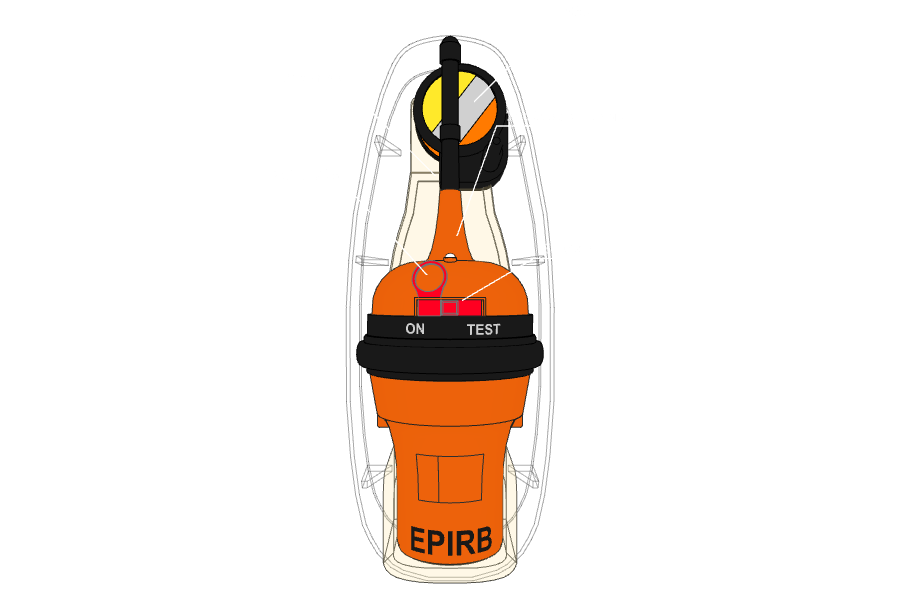
Fig. 3EPIRB unit with cover removed and with key components labeled.
| Component | Main Function |
|---|---|
| Hydrostatic Release Unit (HRU) | Releases the beacon from its bracket when the vessel sinks |
| Antenna | Transmits the 406 MHz signal and the 121.5 MHz homing signal |
| Switch | Manual activation, with test and standby modes |
| Pull pin | Prevents accidental manual activation |
| Sensor | Detects water immersion for automatic activation |
| Lanyard | Tethers the beacon to a person or life raft |
| Indicator lamp | Shows status and flashes to aid visual location |
Maintenance & Testing
Fig. 4Simulated testing of EPIRB. Testing varies by manufacturer and model, always consult instruction manual.
To ensure EPIRB works reliably during an emergency, follow a routine maintenance schedule based on the manufacturer’s instructions:
- Perform Regular Self-Tests: Conduct a monthly self-test using the built-in test switch. This checks the internal circuitry, battery power, and strobe light without transmitting a false alert to rescue networks.
- Monitor Expiration Dates on Critical Parts:
- Battery Replacement: EPIRB batteries have a strict shelf life (typically 5 to 10 years). Replace the battery before its expiration date, or immediately after any actual activation.
- Hydrostatic Release Unit (HRU): If your EPIRB uses an automatic floating bracket, replace the HRU every 2 years (or as specified by the manufacturer) to ensure it releases properly underwater.
- Inspect and Clean the Unit: Keep the outer housing, bracket, and hydrostatic release free from salt buildup, grime, or paint. Keep the mounting area completely unobstructed so the beacon can deploy freely without delay during an emergency.
- Annual test: SOLAS IV/15.9 requires EPIRBs to be tested at intervals not exceeding 12 months. IMO MSC.1/Circ.1040/Rev.2 states that test must be done by a radio surveyor during the annual survey, though flag states may also allow approved, trained personnel.
- Shore-based maintenance: SOLAS IV/15.9.2 requires maintenance at an approved shore-based facility at intervals set by the flag state and not exceeding five years, for ships required to carry a satellite EPIRB under SOLAS Chapter IV.
Crew Familiarization

Fig. 5Standard IMO/ISO safety sign for EPIRB. Source: Clemenspool - Own work, CC0
Every crew member should know where the EPIRB is and how it works. During safety drills and familiarizations, review these points until all hands understand them:
- Know the Location: Identify exactly where the EPIRB is mounted, and learn to recognize the IMO EPIRB safety sign that marks its position. In a sudden emergency, you should be able to find and reach the beacon without hesitation.
- Know Your Role: Check the muster list to see who is assigned to take the EPIRB if the ship is abandoned, and who is the backup.
- Keep the Float-Free Path Clear: Never store gear, ropes, tarps, or equipment near or over the bracket, and never paint over the unit. Anything that blocks or snags the unit can stop it from floating free on emergency.
- Understand How It Turns On:
- Automatic activation: If the vessel sinks, water pressure triggers the Hydrostatic Release Unit (HRU). This frees the EPIRB to float to the surface and start transmitting on its own.
- Manual activation: If the ship is in grave and imminent danger, don't wait for other systems to fail. Take the EPIRB from its bracket, follow the activation steps printed on the unit, and switch it on by hand.
- Prevent False Alerts:
- Never activate the EPIRB to test it. Use self-test mode only, and release the test switch as the manual instructs.
- If the EPIRB must be removed for maintenance, inform the officer in charge, switch it off as the manual describes, keep it dry, and make sure it is remounted and back in standby afterward.
- If it activates accidentally, switch it off at once and report it to the nearest rescue coordination center and the company.
- Use the Lanyard Correctly in an Emergency: If you have time to activate the EPIRB manually, attach the lanyard to yourself or to the survival craft, never to the vessel or any of its fittings, which could drag the beacon underwater as the ship sinks.
- Keep It Switched On: Once the EPIRB is activated, leave it on until rescuers have you aboard. Do not switch it off, and keep the antenna upright with a clear view of the sky so it keeps transmitting.
Final Note
In a crisis offshore, an EPIRB turns a wide search area into a direct rescue mission. However, satellite technology only works if the beacon is easy to reach, properly maintained, and understood by everyone on board.
By running routine self-tests, keeping expiration dates up to date, keeping the release area clear, and practicing emergency steps with the crew, you make sure your vessel is ready for the unexpected.