
Guide to Reading Draft Marks
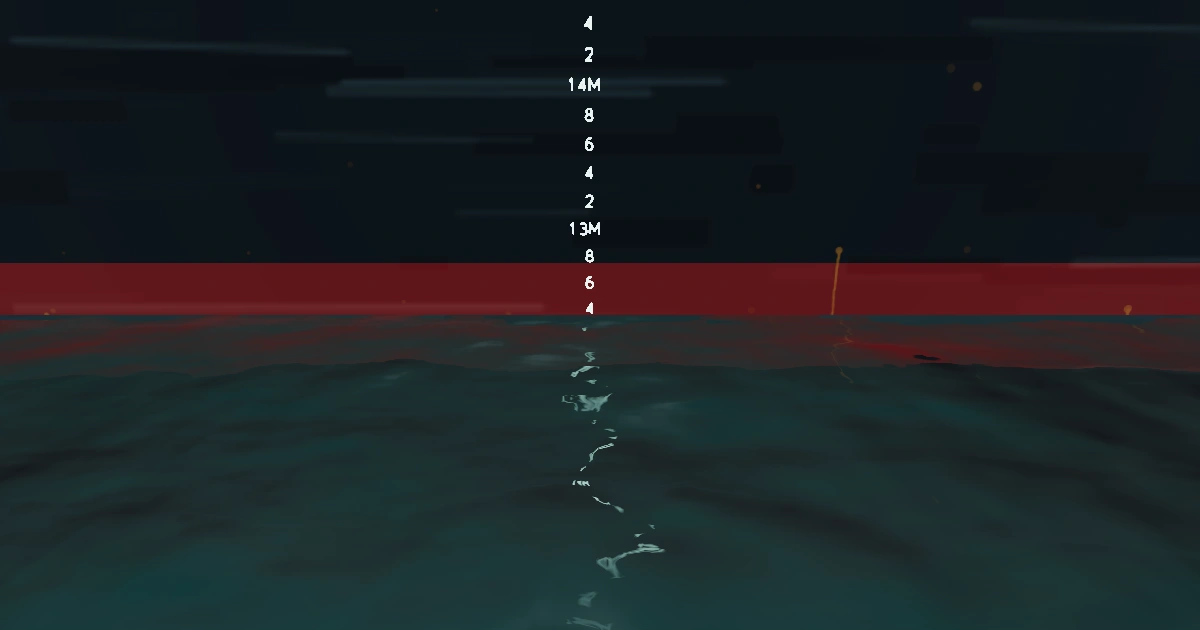
Fig. 1 Ship's draft marks visible at the waterline, indicating a draft of 12.40 meters.
Onboard, reading draft marks is one of those quiet, everyday duties that requires genuine care. It’s never a task to rush through. A discrepancy of few centimeters might seem minor on paper, but in practice, it can mean touching bottom in shallow waters, overstressing ship's hull, or causing disputes over cargo. Doing it right is part of keeping the ship, crew, and cargo safe.
Where Are Draft Marks Located?
Draft marks are required under SOLAS and the Load Line Convention. They are marked at the aft, midships, and forward parts of the vessel, and on both sides port and starboard (6 locations total).
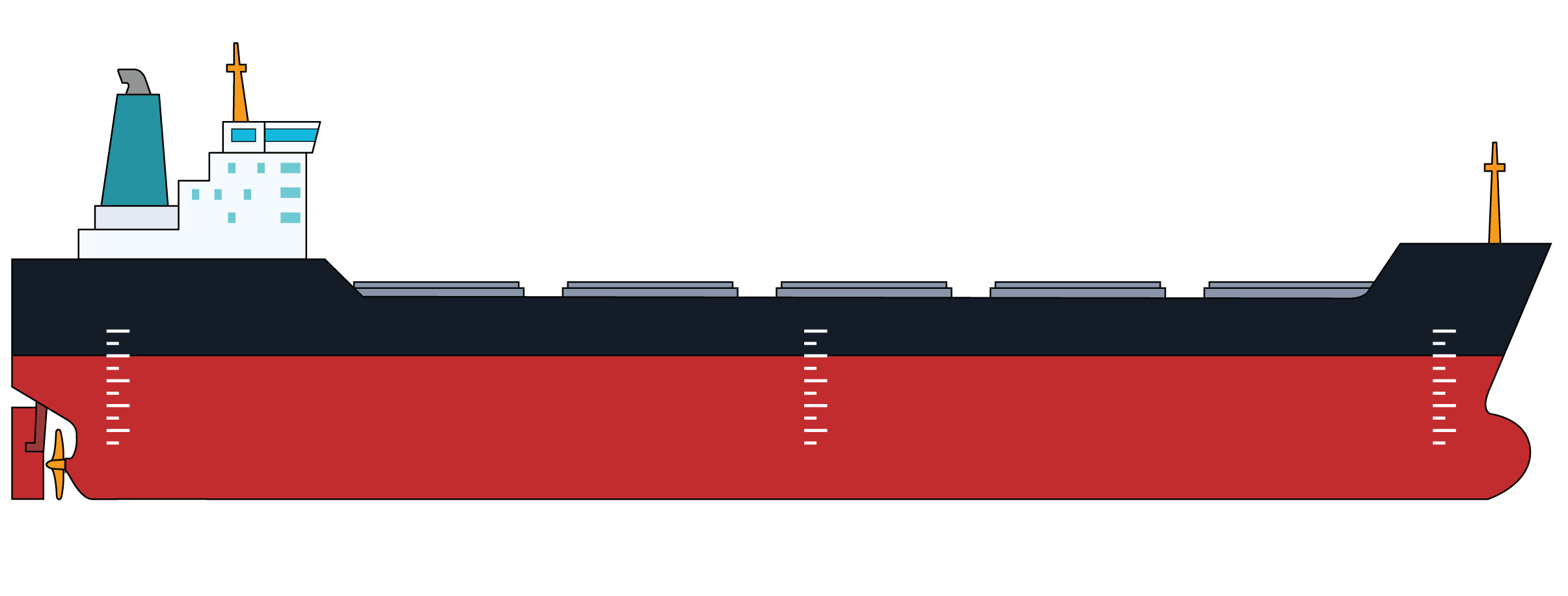
Fig. 2Locations of draft marks.
Ships are normally read at six positions, because they usually float with some trim (difference between the forward and aft drafts) or list (sideways tilt). Averaging all six readings reduces the effect of these differences and gives a mean draft for calculations such as displacement. A formal draft survey, however, applies further corrections.
Why Draft Readings Matter in Practice
Draft readings underpin nearly every operational decision on board, from ship stability, route planning to cargo handling. The following key areas highlight why draft readings matter:
- Navigating Shallow Water: Port entrances, river channels, and canals leave zero room for error. Knowing your maximum draft is what prevents running aground and ensures you maintain safe under-keel clearance (UKC).
- Monitoring Hull Stress: Comparing readings across different parts of the vessel lets you check for hull bending. It reveals whether the ship is sagging (bending down in the middle) or hogging (bending down at the ends).
- Cargo Handling: Because draft surveys calculate cargo based on displacement, a ship's TPC or Tonnes Per Centimeter calculation is critical, misreading the draft marks by a single centimeter can displace the final cargo estimate by roughly 100 metric tons.
- Staying Within Regulatory Limits: Checking draft marks is about keeping the ship safe and seaworthy. Ensuring you don't submerge the Plimsoll mark protects your reserve buoyancy, while also avoiding costly delays from Port State Control inspections.
How to Read Metric Draft Marks
Metric draft marks are most widely adopted on international ships. Each digit on the draft mark is 10 cm tall and spaced 10 cm apart. This means the distance from the bottom of one number to the bottom of the next is 20 cm. The bottom of each digit marks the exact depth value.
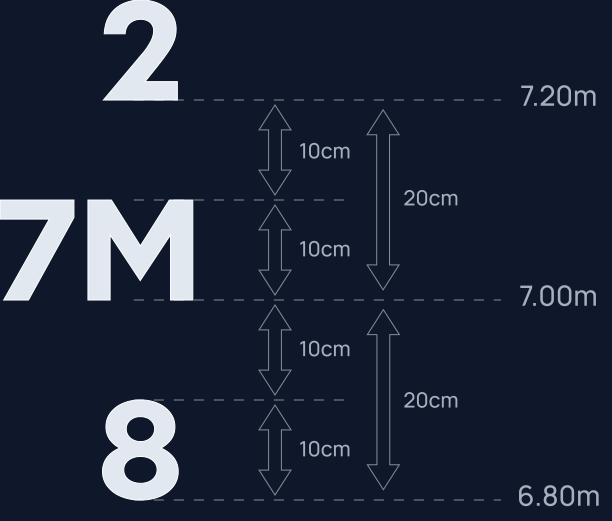
Fig. 3Standard measurement layout and reading reference points for metric draft marks.
In the real world, however, the waterline doesn't always sit cleanly on top or bottom of a mark. Expect it to land in between, which calls for careful estimation. So when this happens, it’s easier to estimate the decimal value if you look for base values and midpoints first.
Base values (not official terminology) are the top and bottom edges of each mark. They are easy to spot, and they fall every 10 cm (for example 6.90 m, 7.00 m, 7.10 m).
Midpoints are the halfway line between two base values. Each one gives you a 5 cm reference point (for example 7.05 m, 7.15 m).
With base values and midpoints in mind, let’s work through the example image below.
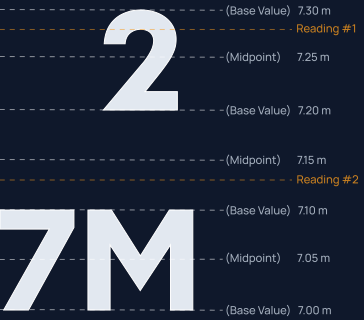
Fig. 4Determining draft when the waterline falls between base values.
If the waterline falls exactly on a base value or a midpoint, the reading is straightforward. Anywhere else, you need to interpolate, which means estimating its position between the nearest two reference points.
-
Reading #1: the line falls on the
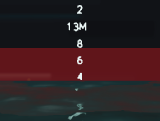
2mark, and above its midpoint (7.25 m). The reading must be between 7.26 m - 7.29 m. That leaves only four values to choose from. Visually, the line sits closer to the top edge (7.30 m) than to the midpoint, but not right at the top, so the reading is 7.28 m. -
Reading #2: the line now falls in the gap between
7Mand2and below the gap’s midpoint (7.15 m). The reading must be between 7.11 m - 7.14 m. Again, you only have to choose between four values, so our final reading is 7.13 m.
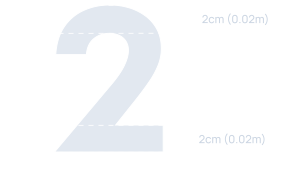
Side note: Some seafarers treat the stroke width on the marks as 2 cm and use it as reference. This is not a confirmed standard on all ships, so check if the marks follow this rule on board before relying on it.
Real-World Conditions
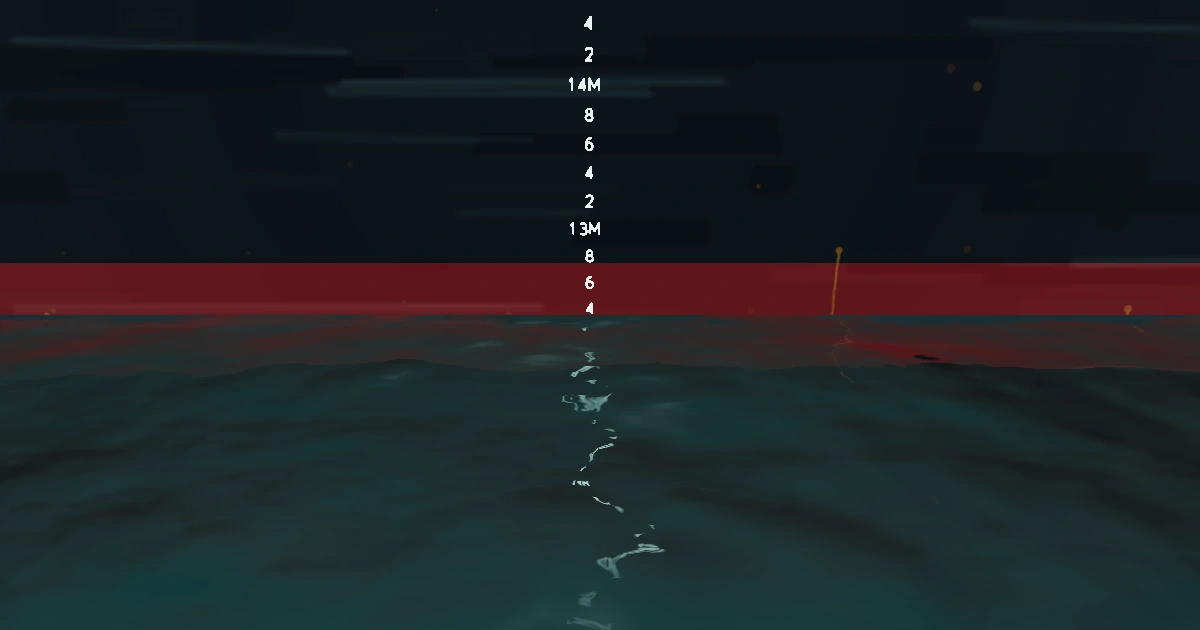
Fig. 5Reading draft marks in heavy swell.
Reading drafts isn't always smooth sailing, and even experienced officers make mistakes. Here are common challenges and how to handle them:
-
Waves or Swell: Watch several wave cycles, note the highest and lowest waterline on the marks, and take the midpoint between them. Repeat a few times if practicable and average the results.
In heavy swells, even with this technique, officers will struggle to deliver accurate reading. So record the prevailing sea condition as comment alongside your final draft. If you can’t wait for calmer sea, cross-check your readings against other sources, such as a draft gauge, or the loading computer, if available.
In cases where accuracy is critical, wait until conditions improve, schedule permitting.
-
Limited visual access: Avoid reading drafts from high above or at a steep angle, because the marks will look compressed and distorted, which makes it harder to judge where the waterline sits. Whenever possible, read with your eyes close to water level, looking straight at the hull (perpendicular to it) and as near to the marks as you can. If you can’t get close, use binoculars, or read from a small boat if available, which gets you low and close at once.
-
Poor lighting: Always bring a flashlight, even if you expect to read in daylight, because conditions can change and some marks sit in shadow, such as under the flare of the bow or beside a quay. Shine the light across the hull at a slight angle, not straight at it, so the marks stand out and the glare off the water stays low.
-
Overconfidence: Before you leave, run these quick checks while you can still look again:
- Record: Bring a notebook, always write down the draft. Never rely on memory alone.
- Port vs starboard: The two sides at each position should differ only by a small amount that matches the ship’s list. A large or unexplained gap suggests an error.
- Forward vs aft: The difference should match the trim you can see or expect. A ship that is clearly trimmed by the stern shouldn’t show a deeper forward draft.
- Expected draft: Compare your readings with the loading computer, the loading plan, or the previous reading. If they are far apart, look again before accepting them.
Final Notes
Draft reading comes down to careful observation, a clear method, and a habit of double-checking. Use the techniques mentioned above to narrow down your interpolation. Adjust for conditions, and record what you observe. A careful reading takes minutes. A wrong one can affect cargo calculations and safe operation of the ship.